
The night I watched 5,000€ of food go into the bin

Aug 13, 2025
4 min read
Updated: Aug 21, 2025
Have you ever watched how much food gets thrown into the bin when a hotel buffet gets cleared away?
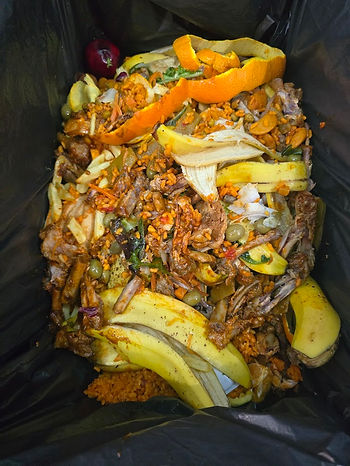
A couple of years back, I was invited to a hotel to help measure and record food waste from the dinner buffet at the end of service.
At around 10pm, as the last guests left the restaurant, I went to see what was still on the buffet. Within minutes, the kitchen team appeared with three types of trolleys, one for food that could be reused the next day (following HACCP protocols), one for the staff canteen, and one for the bin.
I could tell instantly what was destined for the bin just by how the trays were stacked. Then I watched as perfectly cooked broccoli, carrots, potatoes, salads, litres of sauces and gravy, and more were tipped into a black bin bag, tied up, and wheeled to the main organic waste bin.
I knew food waste in hotels was bad, but I’d never actually stayed to watch what happens at the end of service before. I’m not exaggerating when I say I was on the verge of tears from a mix of disappointment, anger, and shame.
I had to ask the staff “What goes through your mind when you throw this much perfectly good food into the bin?”
They told me they’d simply got used to it.
They didn’t question it (though some admitted they felt bad). The routine was the same every day: cook enough to avoid complaints, send what’s safe to the staff canteen, and throw away the rest when service ends.
That night, from just one dinner service, almost 100kg of buffet food went in the bin. And that wasn’t even counting prep waste, spoilage, or plate waste from guests.
Since then, I’ve had nights where I've watched hotels throw away a tonne of food a day. Yes, a tonne. At a conservative €5 per kilo, that’s €5,000 a day straight into the bin.
While zero waste isn’t realistic for the package holiday sector, it is totally possible for hotels to cut waste by 35–40% and reduce food costs by 5–10%. Based on 1 tonne of waste per day, that's around €375 saved daily – or €136,000 a year. Not to mention the hundreds of tonnes of food waste that could be avoided at source and kept out of landfill.
So if the financial and environmental savings are there, why aren’t more hotel managers taking this seriously?
I have a few theories based on my own experience but would love to hear from more of you:
They’re worried about upsetting their chefs and losing them – which is a real concern in this sector.
They don’t want to know how bad it is because it highlights that they’ve never managed it properly before.
They’re tracking the wrong KPIs. The hotel with a tonne of waste a day still hits its food cost percentage target so as far as the team’s concerned, nothing’s wrong. But because they don’t measure food waste per cover, they have no idea how bad it actually is.
They think staff will push back against having to monitor and record waste. But in Spain, it’s a legal requirement now, so if you’re doing it, you might as well do it properly by measuring categories and types of waste to understand how, where, when, and why it’s happening.
And here’s the thing, with the right procedures in place, monitoring and recording food waste doesn’t take much extra time, and it doesn’t have to be costly or overly technical. Affordable options like STOP WASTE and FIT offer annual licences for technology that tracks exactly how, where, when, and why food is being wasted. At the other end of the scale, camera-based systems such as Buffet Waste, Leanpath, Winnow and Kitro can automatically identify the types of food being thrown away. The key is to choose the solution that fits your needs and budget.
Remember though, that technology alone won’t cut waste. It will only tell you what is being thrown away. It is the actions you take based on having that data that will actually reduce waste at the source.

Here are some of my ideas to overcome the 4 concerns I highlighted earlier
1. Concern about upsetting chefs and losing them
Involve chefs in designing the waste reduction plan so it feels like their initiative, not something you're imposing on them. Most of them are really interesting in being part of the solution.
Show them the data and cost savings, and link it to tings they care about, like freeing up budget for better equipment, training, or menu innovation.
Be clear that it’s about working smarter, not adding to the workload, nor cutting corners.
2. Not wanting to know how bad it is
Start with a short-term “discovery” project to measure waste for one week with no blame attached, just fact-finding. Celebrate the outcome (no matter what the stats say) as a fabulous opportunity to now be able to take steps to make a positive difference.
Look for success stories from other hotels to show that knowing the baseline is the first step to improvement, not a reflection of failure.
Frame it as an opportunity to boost efficiency, save money, and meet sustainability goals, rather than as a performance review.
3. Tracking the wrong KPIs
Add “food waste per cover” as a KPI alongside food cost percentage.
Start tracking by broad categories (e.g. prep waste, buffet waste, plate waste) before moving into detailed food types to keep it manageable.
Use data from simple waste tracking technologies to set realistic reduction targets that align with existing KPIs, so it complements rather than conflicts with current reporting.
4. Fear of staff pushback against monitoring and recording waste
Train staff on WHY waste is being measured and how it benefits them (less pressure, less unnecessary work, potential savings for staffing or resources), most of them are uncomfortable seeing so much go to waste so it's likely they will want to support new measures.
Keep the monitoring process quick and simple, for example, weighing and recording waste at natural pauses in the shift, not as an extra chore at the busiest moments.
Recognise and reward the small wins to keep motivation high.
If you'd like to know more about how we can support you with your food waste action planning and goals, check our food waste prevention services page and download the brochure.



Comments